
The Blackfeet Indian Land Trust is a 501(c)(3) nonprofit land trust. Land trusts like BILT can acquire properties that are prioritized for protection by raising money to purchase them, then placing such properties under conservation easements, and holding the land in a protected status in perpetuity (forever).
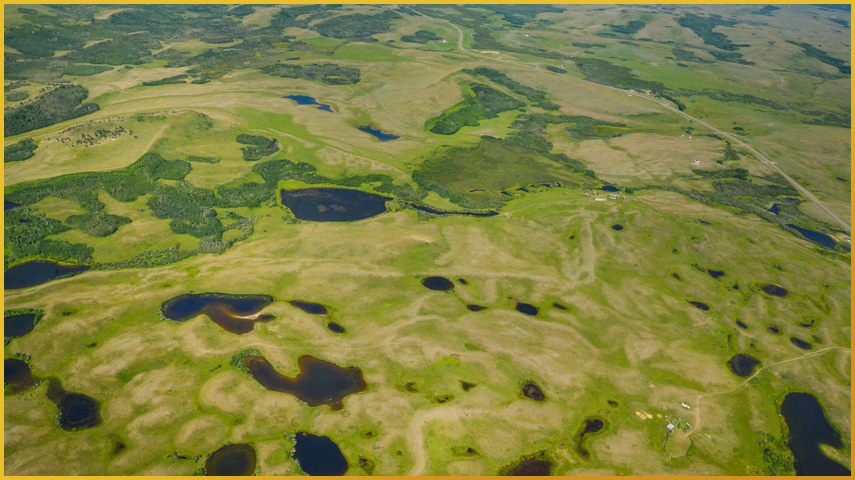
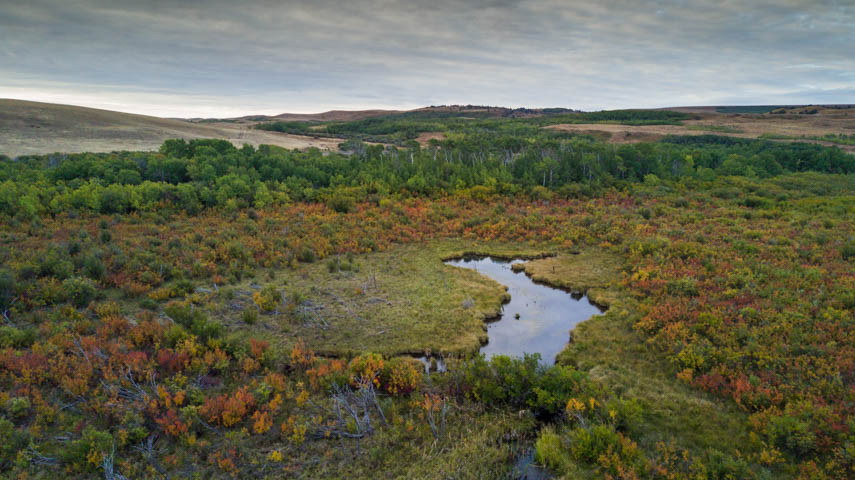
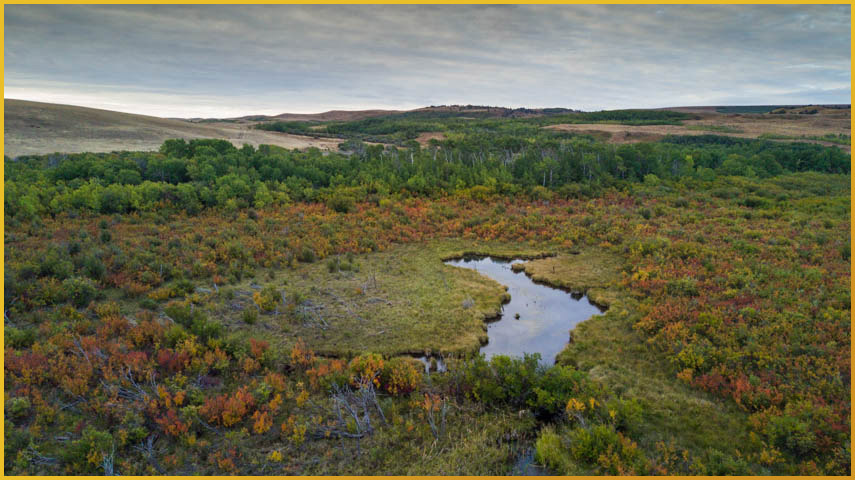
The ōt”kwaipiiksaakii (Yellow Bird Woman) Sanctuary is a 1,160-acre nature preserve located six miles west of Browning, Montana, on the Blackfeet Indian Reservation. Situated at the foot of the Rocky Mountain Front and seven and a half miles east of Glacier National Park, the Sanctuary sits within one of the most ecologically rich landscapes in the lower 48 states.
Visit Our Work to learn more about the Yellow Bird Woman Sanctuary:
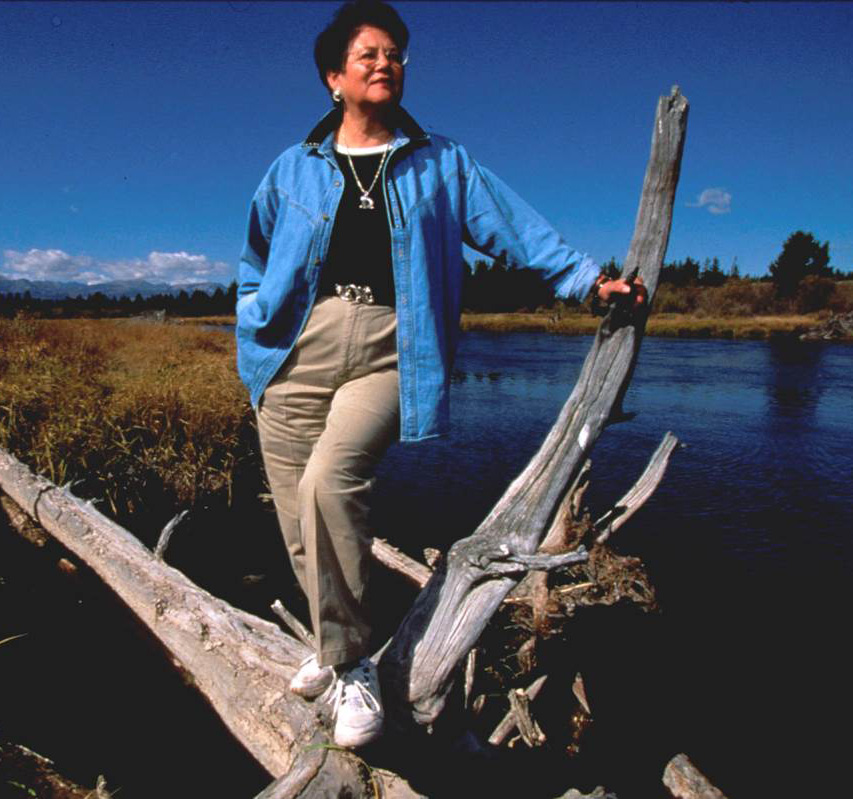
BILT’s work is rooted in the relationships that have existed since time immemorial- between piikani people and the land. Our work is guided by knowledge and values passed on through generations, and by the vision of Elouise Cobell (ōt”kwaipiiksaakii) and her partners.
Visit BILT History to learn more about Elouise Cobell and BILT’s timeline.
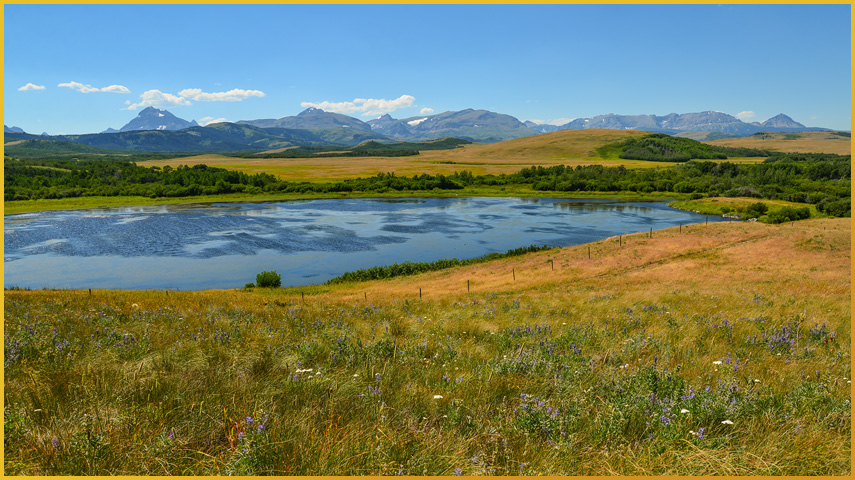
BILT understands conservation as an act of reciprocity: the land gives, and people give back. The Yellow Bird Woman Sanctuary exists because of relationships between people and land, between organizations and communities, and between past and future generations. We work with and for the amskapi piikani community.
Visit Our Partners to learn more about our friends in conservation.